
Choosing the right Royal Canin dog food can feel overwhelming. Pet store shelves are packed with colorful bags claiming to improve energy, digestion, coat quality, and overall health. Yet among hundreds of brands, one name consistently stands out in veterinary clinics and pet households worldwide: Royal Canin.
Known for its science-based approach and breed-specific formulas, Royal Canin has become one of the most trusted names in canine nutrition. Many dog owners consider it one of the best premium dog food brands because it focuses on tailored nutrition instead of trendy marketing claims.
But is Royal Canin really worth the price? Does it provide better nutrition than standard dog foods? And is it the right choice for your dog’s specific needs?
This complete guide explores everything dog owners should know about Royal Canin, including ingredients, health benefits, breed-specific formulas, life-stage nutrition, pricing, advantages, disadvantages, and expert feeding advice.
What Is Royal Canin Dog Food?
Royal Canin was founded in France in 1968 by veterinarian Jean Cathary, who believed dogs could live healthier lives through scientifically balanced nutrition. Unlike many pet food companies that focus heavily on advertising trends, Royal Canin built its reputation through veterinary research and nutritional science.
Today, the brand is recognized globally for producing specialized dog food formulas tailored to:
- Breed size
- Life stage
- Activity level
- Medical conditions
- Digestive sensitivities
- Weight management needs
Instead of using a “one-size-fits-all” approach, Royal Canin designs formulas around the biological needs of different dogs. From puppies to senior companions, the company develops targeted nutrition plans that support long-term health and wellness.
Many veterinarians recommend Royal Canin because the company invests heavily in feeding trials, ingredient testing, and nutritional research.
Why Stands Out From Other Dog Food Brands
Most commercial dog foods focus on broad nutritional categories. Royal Canin takes a more precise approach by creating customized formulas for specific breeds and health concerns.
For example:
- Labrador Retrievers often struggle with obesity, so their formula supports weight control.
- German Shepherds can have digestive sensitivity, so their recipes include digestive-support ingredients.
- Chihuahuas benefit from tiny kibble shapes designed for smaller jaws.
This level of detail is one reason Royal Canin has earned a reputation as a veterinarian-recommended dog food brand.
Another major difference is the company’s emphasis on scientific formulation rather than ingredient marketing trends. While some brands advertise “grain-free” or “all-natural” labels as primary selling points, Royal Canin prioritizes nutrient balance, digestibility, and measurable health outcomes.
Key Differences Between Royal Canin and Standard Dog Foods
| Feature | Royal Canin | Standard Dog Food Brands |
|---|---|---|
| Breed-Specific Formulas | Yes | Rare |
| Veterinary Diets | Extensive | Limited |
| Scientific Feeding Trials | Yes | Sometimes |
| Custom Kibble Shapes | Yes | No |
| Digestive Support Focus | Strong | Moderate |
| Life-Stage Nutrition | Advanced | Basic |
This science-focused strategy has made Royal Canin a favorite among breeders, veterinarians, and experienced dog owners.
The Science Behind Royal Canin Nutrition
One of the strongest reasons for Royal Canin’s popularity is its scientific approach to canine nutrition.
The company works with:
- Veterinarians
- Pet nutritionists
- Breeders
- Researchers
- Animal scientists
These experts study how dogs digest nutrients, absorb vitamins, maintain muscle mass, and respond to different ingredient combinations.
Rather than following temporary pet food trends, Royal Canin focuses on nutrient efficiency. This means the formulas are designed to ensure dogs actually absorb and benefit from the nutrients they consume.
The brand also conducts feeding trials to test how formulas affect:
- Stool quality
- Skin condition
- Energy levels
- Coat health
- Weight management
- Digestive performance
This commitment to measurable results helps explain why many veterinarians continue recommending Royal Canin over trend-driven alternatives.
Benefits of Royal Canin Dog Food
Royal Canin offers several important health benefits that appeal to dog owners looking for reliable nutrition.
1. Excellent Digestive Support
Digestive problems are common in dogs. Sensitive stomachs, loose stools, bloating, and food intolerance can affect overall health and comfort.
Royal Canin formulas often include:
- Highly digestible proteins
- Prebiotics
- Fiber blends
- Balanced carbohydrate sources
These ingredients support healthy digestion and improve nutrient absorption.
Dogs with sensitive stomachs frequently experience improved stool quality and reduced digestive discomfort after switching to Royal Canin.
2. Skin and Coat Health
Healthy skin and a shiny coat are strong indicators of good nutrition.
Many Royal Canin formulas contain:
- Omega-3 fatty acids
- Omega-6 fatty acids
- Fish oils
- Antioxidants
These nutrients help reduce inflammation, improve coat softness, and support skin barrier health.
Dogs with dry skin or excessive shedding may benefit from these nutrient-rich formulas.
3. Joint and Mobility Support
Large breeds and senior dogs often develop joint stiffness or mobility issues as they age.
Royal Canin includes ingredients like:
- Glucosamine
- Chondroitin
- EPA and DHA fatty acids
These nutrients help support cartilage health and joint flexibility, especially in active or aging dogs.
4. Weight Management Support
Obesity is one of the most common health problems in dogs.
Royal Canin creates formulas with controlled calorie levels and balanced fiber content to help dogs feel full while maintaining healthy body weight.
Breed-specific formulas also account for metabolic differences between breeds.
5. High Palatability for Picky Eaters
Some dogs refuse food easily, making feeding stressful for owners.
Royal Canin invests heavily in flavor research and texture design to improve palatability. Many picky eaters respond well to the aroma and taste of Royal Canin products.
This can be especially helpful for small breeds or senior dogs with reduced appetite.
Understanding Royal Canin Ingredients
One topic frequently debated online is the ingredient list used in Royal Canin formulas.
Some dog owners question ingredients such as:
- Corn
- Rice
- Wheat
- By-products
However, Royal Canin uses these ingredients based on nutritional function rather than marketing appeal.
For example:
- Corn provides digestible carbohydrates and energy.
- Rice supports gentle digestion.
- Poultry by-products can contain nutrient-rich organ meats.
The company formulates diets around nutrient performance instead of focusing solely on ingredient trends.
Common Ingredients in Royal Canin
| Ingredient | Purpose |
|---|---|
| Chicken Meal | Protein source |
| Rice | Digestible carbohydrate |
| Corn | Energy and nutrients |
| Fish Oil | Skin and coat support |
| Beet Pulp | Digestive fiber |
| Vitamins & Minerals | Immune and bone health |
Royal Canin also follows strict manufacturing standards to maintain consistency and food safety.
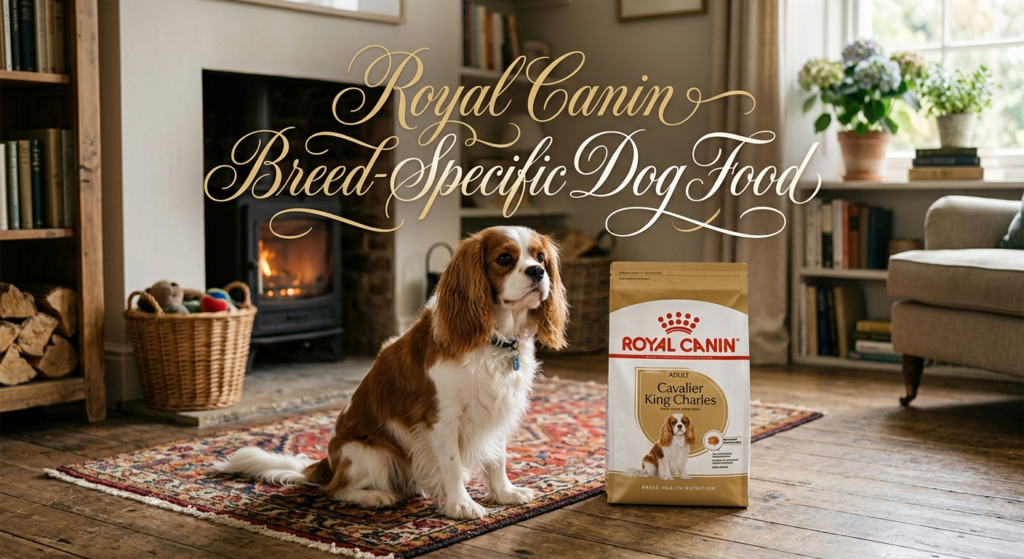
Royal Canin Breed-Specific Dog Food
One of Royal Canin’s most unique features is its breed-specific nutrition system.
The company researches breed behaviors, anatomy, and common health risks to develop highly specialized formulas.
Popular Breed-Specific Formulas
Labrador Retriever Formula
Designed to support:
- Weight management
- Joint health
- Muscle maintenance
Labradors tend to gain weight easily, so calorie balance is especially important.
German Shepherd Formula
Supports:
- Digestive health
- Stool quality
- Joint support
German Shepherds are known for sensitive digestion and active lifestyles.
Chihuahua Formula
Features:
- Tiny kibble shapes
- Enhanced palatability
- Dental support
Small jaws and picky eating habits make specialized nutrition valuable for Chihuahuas.
Golden Retriever Formula
Focuses on:
- Skin health
- Heart support
- Coat quality
Golden Retrievers often benefit from added omega fatty acids.
Pug Formula
Designed for:
- Weight control
- Muscle tone
- Respiratory comfort
Pugs are prone to obesity and breathing difficulties, making nutritional balance especially important.
Royal Canin Dog Food by Life Stage
Dogs require different nutrients throughout their lives.
Royal Canin simplifies feeding by offering formulas for every stage of development.
Puppy Formulas
Puppies need:
- Higher protein
- DHA for brain development
- Immune system support
- Controlled calcium levels
Royal Canin puppy foods are formulated to support healthy growth while avoiding excessive weight gain.
Adult Dog Formulas
Adult dogs require balanced nutrition that maintains:
- Muscle mass
- Energy levels
- Digestive health
- Skin condition
Royal Canin adult formulas focus on long-term wellness and daily vitality.
Senior Dog Formulas
Older dogs often need:
- Reduced calories
- Joint support
- Cognitive health nutrients
- Easier digestion
Royal Canin senior diets include antioxidants and mobility-support ingredients that help aging dogs stay active and comfortable.
Royal Canin Veterinary Diets
Royal Canin also produces prescription veterinary diets for dogs with medical conditions.
These formulas are commonly recommended by veterinarians for issues like:
- Kidney disease
- Food allergies
- Urinary problems
- Diabetes
- Gastrointestinal disorders
- Obesity
These therapeutic diets are carefully formulated to support medical treatment plans and often require veterinary supervision.
Popular veterinary diet categories include:
- Gastrointestinal support
- Urinary care
- Hydrolyzed protein diets
- Renal support
- Weight management
This extensive veterinary nutrition system is one reason Royal Canin is trusted in clinics worldwide.
Wet Food vs. Dry Food: Which Royal Canin Option Is Better?
Royal Canin offers both dry kibble and wet canned food options.
Each has its own advantages.
Dry Dog Food Benefits
Dry food helps:
- Support dental health
- Improve convenience
- Reduce feeding costs
- Store easily
Kibble also encourages chewing behavior.
Wet Dog Food Benefits
Wet food provides:
- Higher moisture content
- Stronger aroma
- Softer texture
- Easier chewing for seniors
Many owners combine wet and dry food for balanced nutrition and improved feeding enjoyment.
This mixed-feeding approach can increase hydration while preserving dental benefits from kibble.
Pros and Cons of Royal Canin Dog Food
No dog food is perfect for every pet. Understanding the advantages and disadvantages helps owners make informed decisions.
Pros
| Advantages | Details |
|---|---|
| Science-Based Nutrition | Backed by veterinary research |
| Breed-Specific Recipes | Tailored to unique needs |
| Excellent Digestibility | Supports sensitive stomachs |
| Veterinary Trust | Widely recommended by vets |
| Large Product Range | Covers many health conditions |
| High Palatability | Good for picky eaters |
Cons
| Disadvantages | Details |
|---|---|
| Premium Pricing | More expensive than grocery brands |
| Contains Grains | Some owners prefer grain-free diets |
| Specialized Availability | Certain formulas harder to find |
| Ingredient Debate | Online criticism over by-products |
While critics often focus on ingredient labels, many veterinary nutritionists emphasize that overall nutrient quality matters more than trendy ingredient marketing.
How to Choose the Best Royal Canin Formula
Selecting the right formula depends on several factors.
Consider Your Dog’s:
- Age
- Breed
- Size
- Activity level
- Health conditions
- Digestive sensitivity
- Weight goals
For example:
- Small breeds usually need calorie-dense food.
- Large breeds benefit from joint support.
- Sensitive dogs may require digestive-care formulas.
- Overweight dogs need controlled-calorie recipes.
If your dog has medical issues, consult a veterinarian before changing diets.
How to Transition Your Dog to Royal Canin
Switching foods too quickly can upset digestion.
A gradual transition works best.
Recommended Transition Schedule
| Day | Old Food | Royal Canin |
|---|---|---|
| 1–2 | 75% | 25% |
| 3–4 | 50% | 50% |
| 5–6 | 25% | 75% |
| 7 | 0% | 100% |
This gradual process helps reduce stomach discomfort and allows your dog to adapt smoothly.
Royal Canin Prices and Availability
Royal Canin belongs to the premium pet food category, so prices are higher than average supermarket brands.
Average Price Ranges in the United States
| Product Type | Average Price |
|---|---|
| Small Breed Formula | $20–$45 |
| Large Breed Formula | $60–$120 |
| Veterinary Diets | $45–$130 |
| Wet Food Packs | $15–$40 |
Prices vary depending on formula type, bag size, and retailer.
Royal Canin products are widely available through:
- Veterinary clinics
- Pet stores
- Online retailers
- Subscription pet food services
Many online stores offer discounts for recurring orders.
Is Royal Canin Better Than Grain-Free Dog Food?
The grain-free trend has become extremely popular in recent years, but veterinary experts remain divided on whether grain-free diets are necessary for most dogs.
Royal Canin generally includes grains because they provide:
- Energy
- Fiber
- Digestibility
- Nutritional balance
For dogs without grain allergies, grains are usually considered safe and beneficial.
In fact, some veterinarians express concerns about certain grain-free diets due to possible links with canine heart disease under investigation by researchers.
This is why many veterinary professionals continue recommending balanced grain-inclusive formulas like Royal Canin.
What Veterinarians Say About Royal Canin
Veterinarians frequently recommend Royal Canin for several reasons:
- Reliable nutritional consistency
- Extensive research backing
- Specialized therapeutic diets
- Strong digestive support
- Clinical feeding trials
Many clinics use Royal Canin prescription diets for dogs with serious medical conditions because the formulas are carefully developed for targeted health support.
The company’s long-standing relationship with veterinary nutritionists has also strengthened its credibility in the pet health industry.
Frequently Asked Questions
Is Royal Canin good for sensitive stomachs?
Yes. Royal Canin offers several digestive-care formulas designed for dogs with stomach sensitivity, loose stools, or digestive discomfort.
Is Royal Canin safe for puppies?
Yes. Royal Canin puppy formulas are specifically designed to support growth, immunity, and brain development.
Why is Royal Canin expensive?
The higher price reflects extensive research, specialized formulas, feeding trials, and veterinary partnerships.
Do veterinarians recommend Royal Canin?
Yes. Royal Canin is one of the most commonly veterinarian-recommended dog food brands worldwide.
Can I mix wet and dry Royal Canin food?
Yes. Many owners combine wet and dry food to improve hydration, taste, and feeding variety.
Final Verdict: Is Royal Canin the Best Dog Food Choice?
Royal Canin has earned its reputation through science-based nutrition, breed-specific research, and veterinary trust. Rather than following temporary pet food trends, the company focuses on balanced nutrition designed around real canine needs.
Its formulas support:
- Digestive health
- Joint mobility
- Skin and coat condition
- Weight management
- Immune system health
- Breed-specific wellness
Although Royal Canin costs more than standard grocery-store brands, many dog owners believe the quality, consistency, and visible health benefits justify the investment.
No single dog food is perfect for every dog. However, if you want a research-driven, veterinarian-supported diet tailored to your dog’s age, breed, size, or health condition, Royal Canin remains one of the strongest options available today.
For owners seeking reliable nutrition instead of flashy marketing promises, Royal Canin continues to stand among the most respected names in the pet food industry.


